A gift feels more expensive than it is when it signals thought, fit, usefulness and presentation - not just price. The best "looks dearer than it was" gifts usually have one clear job: they solve a small annoyance, upgrade something ordinary, match a personal interest, create a shared moment, or arrive with enough polish that it feels chosen rather than grabbed.
The trick is not to fake luxury. It is to increase perceived value: the recipient's sense that you noticed them properly. That can happen with a practical gadget, a game-night surprise, a desk upgrade, a nostalgic keepsake, a travel helper, a kitchen oddity, or something wonderfully specific that makes them say, "How did you find this?"
The value signals that make a gift feel better than its price tag
Perceived value is partly about the object, but mostly about the story the recipient tells themselves when they open it. "This is useful." "This suits me." "This is fun." "This solves that thing I keep complaining about." Those reactions feel bigger than the dollar amount because they suggest effort, observation and relevance.
A gift tends to feel more expensive when it has at least two of these value signals:
| Value signal | Details |
|---|---|
| Personal fit |
Why it feels more premium: It suggests you paid attention Gift direction: Hobby-adjacent gifts, nostalgic items, favourite-use settings |
| Daily usefulness |
Why it feels more premium: It earns its place quickly Gift direction: Desk, kitchen, travel, car, tech or home helpers |
| Novelty with a purpose |
Why it feels more premium: It feels surprising without being random Gift direction: Clever gadgets, unusual tools, playful-but-usable accessories |
| Better presentation |
Why it feels more premium: It feels considered before it is even used Gift direction: Neat pairing, tidy wrapping, a short note, occasion fit |
| Shared experience |
Why it feels more premium: It becomes a memory, not just an item Gift direction: Games, activities, party starters, family-night choices |
| Upgrade energy |
Why it feels more premium: It replaces a dull basic with something nicer Gift direction: Pen, bottle opener, organiser, light, mug, lunch or travel item |
The sweet spot is "specific, but not risky". A highly personal gift can feel expensive because it feels rare; a practical gift can feel expensive because it keeps proving itself. LatestBuy is built for that enjoyable middle zone where you can start broad on the main gift discovery page, then narrow by recipient, category, budget or level of delightful weirdness.
Choose the path before choosing the product
Most gift mistakes happen when buyers start with "What object should I buy?" instead of "What kind of value should this gift deliver?" That is how you end up wandering through fifty tabs, three abandoned carts and one deeply suspicious novelty mug.
Use the path first. Then the product category becomes much easier.
| If you want the gift to feel... | Details |
|---|---|
| Thoughtful |
Choose this path: Personal-interest upgrade Best for: Close friends, partners, family, hobby people Be careful if...: You are guessing their exact taste or collection |
| Useful |
Choose this path: Everyday problem-solver Best for: Practical recipients, coworkers, busy parents, travellers Be careful if...: It feels too chore-like or too basic |
| Fun |
Choose this path: Game, activity or playful object Best for: Families, hosts, parties, hard-to-buy-for people Be careful if...: The humour might not land in public |
| Polished |
Choose this path: Small premium-feeling upgrade Best for: Workmates, teachers, hosts, thank-you gifts Be careful if...: It is so neutral it feels forgettable |
| Surprising |
Choose this path: Weird-in-a-good-way discovery Best for: Curious people, gadget lovers, "has everything" types Be careful if...: It creates clutter or needs explaining |
| Safe but still interesting |
Choose this path: Popular browse path Best for: Acquaintances, Secret Santa, broad occasions Be careful if...: You rely only on popularity and ignore fit |
If you are short on time, browsing a curated gift guide collection is usually smarter than starting from a blank search box. It gives you lanes to compare - practical, playful, nostalgic, gadgety, family-friendly - without turning the hunt into a second job.
For very broad recipients, use proven demand as a filter, not a final answer. A page of top-selling gifts can help you see what shoppers often gravitate towards, but the final choice should still pass the "would this person actually use, display or laugh at this?" test.
If they already own the basic version, choose the adjacent upgrade

Here is the replacement-logic rule: if someone already owns the obvious gadget, tool or hobby item, do not buy a duplicate. Buy the adjacent thing that makes the thing they already own more enjoyable, organised, comfortable or personal.
This is where affordable gifts often start feeling much more expensive. You are not trying to outspend their existing setup. You are adding the missing piece they may not have bothered to buy for themselves.
| If they already have... | Details |
|---|---|
| A phone, tablet or laptop |
Skip buying...: Another generic device accessory Choose instead...: A stand, organiser, cable helper, desk light or travel tech pouch Why it feels more valuable: It improves daily use without needing compatibility heroics |
| A full kitchen |
Skip buying...: Another standard utensil Choose instead...: A clever timer, serving piece, drinks accessory or food-prep helper Why it feels more valuable: It adds occasion value, not cupboard noise |
| A games shelf |
Skip buying...: A random complex game Choose instead...: A quick-play family game, party activity or puzzle format Why it feels more valuable: It creates an easy shared moment |
| Outdoor gear |
Skip buying...: Another basic torch or bottle Choose instead...: A picnic, travel, storage or weekend-use helper Why it feels more valuable: It supports the outing, not just the gear pile |
| A neat desk |
Skip buying...: More stationery for the drawer goblin Choose instead...: A better pen, desk clock, organiser or small decor piece Why it feels more valuable: It feels visible, useful and intentional |
| A favourite fandom or music taste |
Skip buying...: A risky wearable Choose instead...: A functional accessory or display-friendly item Why it feels more valuable: It nods to the interest without guessing size or style |
This is especially useful for gadget lovers. If they already have the headline device, browse electronics and gadgets with a support mindset: charging, lighting, organising, travelling, displaying, fixing, storing or making the gadget easier to use. The gift feels sharper because it slides into their life rather than competing with what they already bought themselves.
The same logic works for hobby people. If they already paint, cook, camp, host, game or collect, the best gift is often not "more of the core thing". It is the cleaner, holder, light, storage, display, activity or amusing sidekick that makes the core thing better. Less duplicate. More "you noticed the ecosystem". Very fancy-sounding for a sentence that mostly means: do not buy them their fourth bottle opener unless it has a reason to exist.
Use recipient cues to avoid cheap-feeling mistakes
A low-cost gift rarely feels cheap because of the price alone. It feels cheap when it seems careless, mismatched or inconvenient. The fix is to read the recipient cues before you fall in love with the first funny thing on the page.
Start with four checks:
- Relationship fit: Would this feel right from you specifically? A cheeky gift from a best mate can be hilarious; from a manager, it can become a tiny HR weather event.
- Use setting: Will they use it at home, work, while travelling, at parties, outdoors or on a shelf? Context makes the gift easier to judge.
- Clutter tolerance: Do they like display pieces and novelty, or do they prefer things that disappear into daily routine?
- Occasion pressure: A birthday, housewarming, Secret Santa, thank-you and "just because" gift all carry different expectations.
Here is a quick buyer-confidence module for category-led choosing:
| Confidence check | Details |
|---|---|
| Gadget/helper gift |
Good fit: They like practical fixes, tech, travel or desk gear Skip it if: They dislike fiddly things Setup or compatibility risk: Check device size, batteries, charging, space or use case If they already have X, choose Y instead: If they have the main gadget, choose storage, stand, light or organiser |
| Game/activity gift |
Good fit: They host, have kids, enjoy parties or like low-pressure fun Skip it if: They prefer solo, quiet gifts Setup or compatibility risk: Check age suitability, group size and complexity If they already have X, choose Y instead: If they own lots of games, choose quick-play, travel-size or family-friendly formats |
| Home/bar/kitchen gift |
Good fit: They entertain, cook, picnic or enjoy rituals Skip it if: Their cupboards are already groaning Setup or compatibility risk: Check size, cleaning, storage and public appropriateness If they already have X, choose Y instead: If they have the tools, choose serving, presentation or occasion accessories |
| Nostalgia/decor gift |
Good fit: They display objects, collect memories or like retro style Skip it if: They are minimalist or moving house Setup or compatibility risk: Check shelf space and taste specificity If they already have X, choose Y instead: If they collect a theme, choose a functional nod rather than a duplicate |
| Budget-safe gift |
Good fit: You need a small but considered option Skip it if: The occasion calls for something highly personal Setup or compatibility risk: Avoid flimsy one-note novelty If they already have X, choose Y instead: If they have basics, choose a better-feeling everyday upgrade |
Budget-conscious shoppers can also start with gifts under $30 and apply these filters. The goal is not "the lowest-effort filler that qualifies as a present". The goal is "the lowest-risk thing that still feels chosen".
Presentation does more work than most people think

Presentation is not about making a modest gift pretend to be a luxury one. It is about removing the "last-minute" smell. Even a small gift feels more considered when the recipient can see a little care in how it was chosen and handed over.
The easiest upgrades are simple:
- Add a note that explains the relevance: "For your next camping weekend" or "For the desk kingdom."
- Pair two small things around one use case, such as a desk helper with a pen, or a game with snacks.
- Choose wrapping that suits the occasion, not necessarily the fanciest option.
- Remove unnecessary packaging clutter if appropriate, but keep anything needed for instructions, safety or returns.
- If the gift is practical, frame the benefit: "This should make airport chaos slightly less dramatic."
- If it is silly, frame the joke kindly so it lands as affection, not a dare.
A gift also feels more expensive when it has a "first use" moment. A family game that can be played that night, a travel organiser before a trip, a desk accessory for a new job, a bottle opener for a housewarming, a puzzle for a rainy weekend - these do not wait around awkwardly. They enter the scene and start doing something.
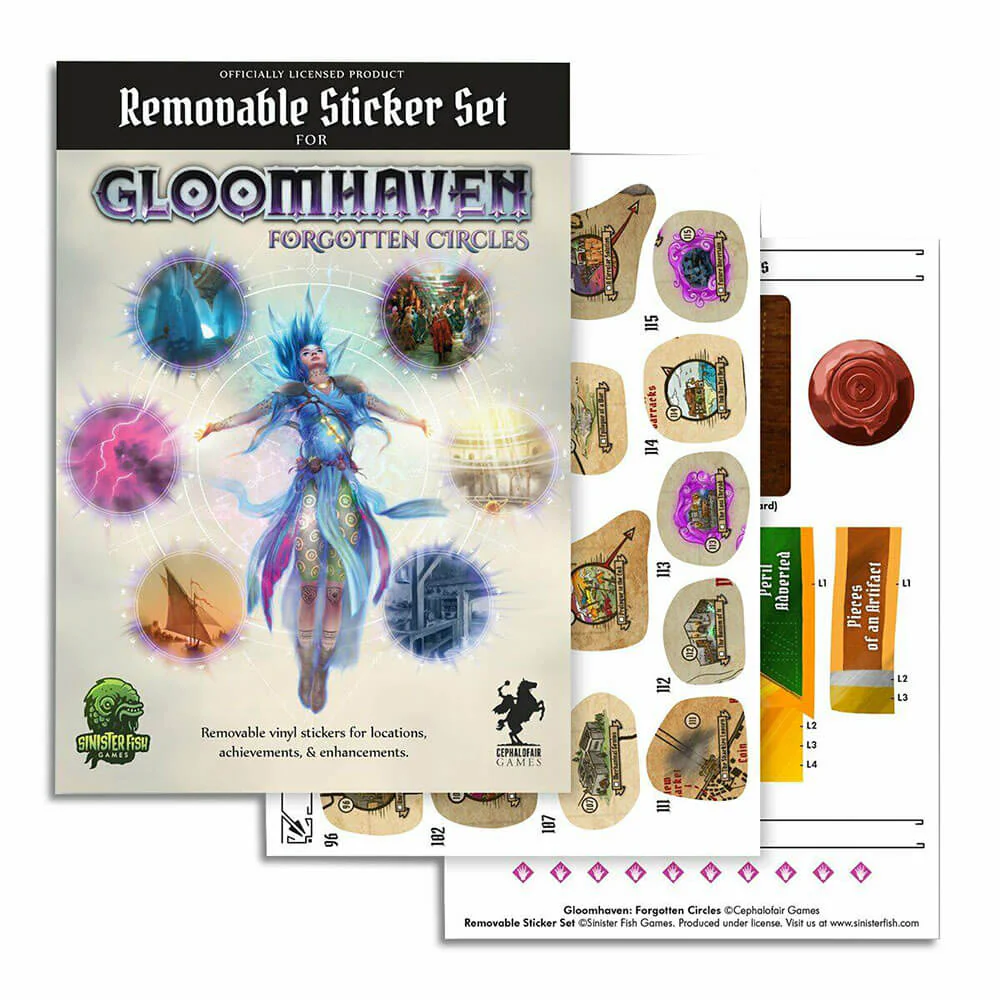
That is why activity gifts can punch above their weight. If you want the present to create a shared experience rather than become another object on a shelf, browse family games or quick-play activity styles. A gift that gets everyone laughing after dinner can feel more valuable than a more expensive thing nobody knows what to do with.
Balance budget comfort with perceived value
Spending more can help, but only when the extra spend improves fit, quality, usefulness or presentation. A higher price does not rescue a vague gift. A lower price does not doom a thoughtful one. The best budget comfort zone is the amount that lets you choose confidently without expecting the gift to carry too much emotional weight.
Think of budget in roles:
| Budget role | Details |
|---|---|
| Small token |
What to prioritise: Humour, usefulness, neat presentation What to avoid: Anything that feels like filler |
| Mid-range gift |
What to prioritise: Recipient fit, daily use, activity value What to avoid: Overly generic "nice" items |
| Group gift add-on |
What to prioritise: Upgrade energy or shared experience What to avoid: Duplicates of obvious basics |
| Secret Santa |
What to prioritise: Public-safe fun, broad usefulness What to avoid: In-jokes that require too much context |
| Thank-you gift |
What to prioritise: Polished, simple, low-maintenance What to avoid: Gifts that create work for the recipient |
If your budget is modest, focus on one strong value signal instead of trying to do everything. A small practical item can feel excellent if it solves a real annoyance. A novelty gift can feel excellent if it matches their humour. A keepsake can feel excellent if it connects to a shared memory. Trying to be funny, useful, sentimental, stylish and surprising all at once is how gifts become confused little gremlins.
For broad discovery, use LatestBuy's gift ideas hub to choose the lane first, then narrow. If you are buying for someone with no obvious hobby cues, start with safer categories: practical home helpers, desk upgrades, games, travel accessories, drinkware or small gadgets. If you know their personality well, you can lean further into novelty, nostalgia or a more specific hobby-adjacent pick.
A quick decision framework for making any gift feel more expensive
-
Can I name why this suits them?
If your reason is "it was on sale" or "it exists", keep browsing. If your reason is tied to their routine, humour, hobby, home, trip, desk or hosting style, you are getting warmer.
-
Will they use, display, share or remember it?
A gift needs at least one destination. The drawer of forgotten items is already fully booked.
-
Is it the right level of personal?
Too generic feels lazy. Too specific can miss. Aim for a cue you know, not a wild psychological thesis based on one conversation at a barbecue.
-
Does it create any awkward work?
Avoid gifts that require complicated setup, unknown sizing, extra purchases, major storage or taste-sensitive installation unless you are very confident.
-
Can I present it with a simple reason?
If you can say, "This made me think of your game nights," or "This should be handy for your next trip," the gift already feels more considered.
This is also the point where popularity can be useful. If you are stuck between several safe options, compare them against top-selling gift ideas to see which directions have broad appeal. Then choose the one with the clearest recipient fit, not necessarily the one that shouts the loudest.

Before you buy, run the gift through this five-question filter. It takes less than a minute and saves you from the dreaded "Oh... thanks!" face.
FAQs: making gifts feel more valuable without overspending
What makes a gift look more expensive?
A gift looks more expensive when it has clean presentation, a clear use case, good fit with the recipient, and no obvious "panic buy" signals. Matching the gift to their routine or interest matters more than choosing something flashy.
Is it better to buy one nicer gift or several smaller gifts?
Usually, one well-chosen gift feels more valuable than several unrelated small items. A bundle can work if everything supports one theme, such as travel, desk setup, games night or home bar. Random extras can make the main gift feel less considered.
How do I choose a gift for someone who already has everything?
Do not compete with what they already own. Choose an adjacent upgrade: storage, display, maintenance, travel, presentation, a shared activity, or a more personal version of an everyday item. The "supporting cast" gift often feels more thoughtful than another obvious main item.
Can a funny gift feel expensive?
Yes, if the humour is specific, kind and usable. A funny gift feels cheap when it is one-note, awkward for the setting, or disconnected from the recipient. It feels better when it also works as a desk item, game, kitchen accessory, bar tool or shared activity.
What is a safe fallback when I have no idea what to buy?
Choose something practical with a small twist: desk helper, travel organiser, home-use item, family game, drink accessory or useful gadget. Keep it public-safe, easy to use and simple to explain. When in doubt, browse by gift type rather than chasing a "perfect for everyone" unicorn.
Ready to find the gift that feels smarter than its spend?
The best affordable gifts do not whisper "budget". They say, "I noticed what you like, how you live, or what would make your day slightly better." Start with the recipient, choose the value path, then let the category do the heavy lifting.
Browse LatestBuy's gift guide collection for a guided starting point, compare practical finds in electronics and gadgets, or keep things budget-comfortable with gifts under $30. Follow the fit, not the price tag - that is where the present starts feeling properly good.